
Eye on the Corner Office: Elie Tahari Built an American Fashion House. His Son Is Rebuilding Its Edge
Elie Tahari CEO and Creative Director Jeremey Tahari is sharpening the 53-year-old brand through full-price discipline, premium product and a more intimate approach to community.
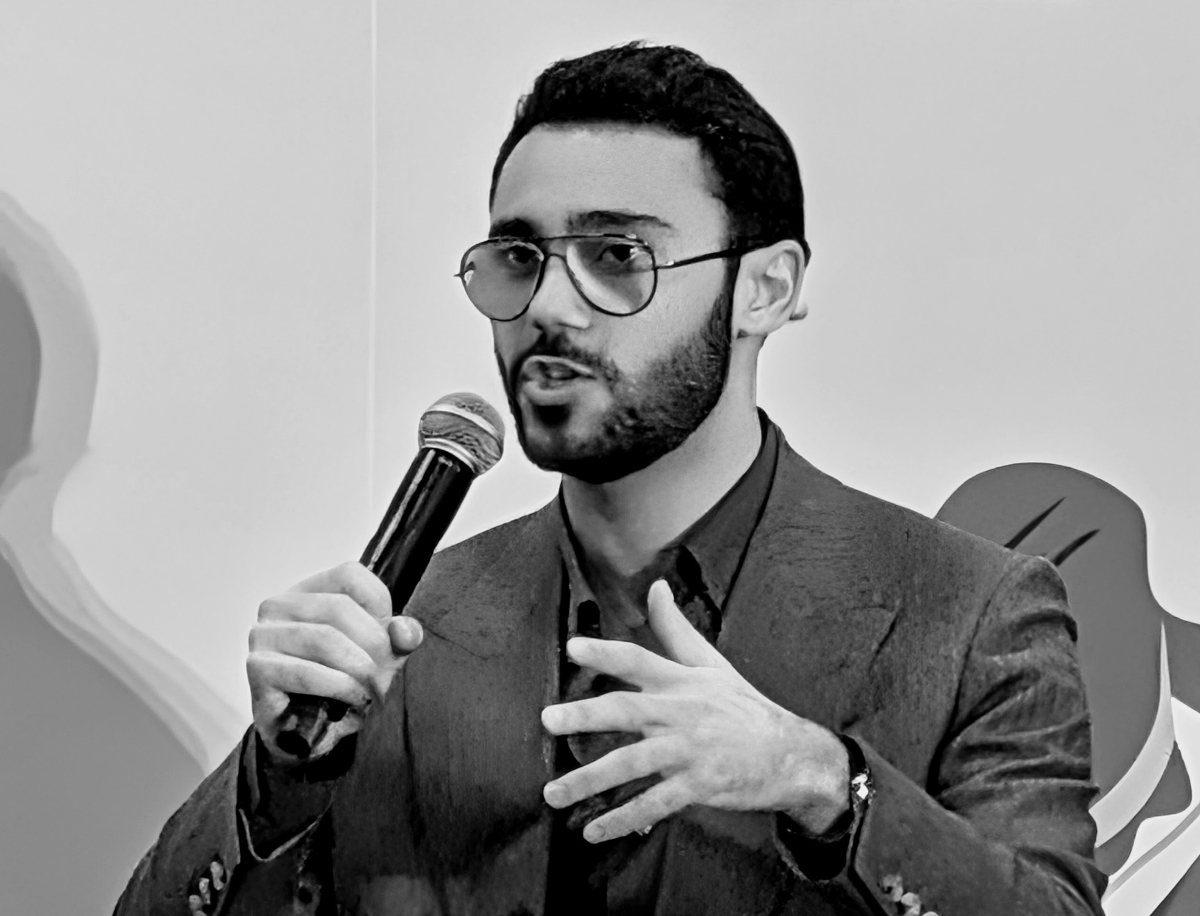
Jeremey Tahari inherited more than a fashion label. He inherited one of American fashion’s more improbable origin stories.
His father, Elie Tahari, arrived in the U.S. with little money, slept on a park bench, grew up in an orphanage and built a brand that now generates more than $1 billion in annual retail sales. Jeremey, who became CEO and Creative Director of Elie Tahari in 2020 while also building Tahari Capital into a multi-industry private equity firm, does not describe that legacy as pressure.
“I really see it as an honor,” he recently told Business of Fashion correspondent Sheena Butler-Young at The Lead Summit in New York City.
Honor, for Jeremey, comes with responsibility: protect the brand’s foundation while making it relevant for a new market. His task is to refine Elie Tahari’s DNA for a market that looks nothing like the one his father helped define.
“The most monumental thing has been a mindset shift,” he said.
In the 1980s, Elie Tahari became known for power dressing before evolving into a brand centered on workplace self-expression in the following decade. Today, Jeremey is translating that same idea — accessible luxury with a strong point of view — for a consumer who is more selective, more value-conscious and more skeptical of fashion’s endless churn.
One of the strongest signals is product. After an eight-year pause, the brand is reintroducing genuine leather, along with a broader leather and suede collection. Jeremey does not expect the move to pay off overnight.
“It’s more of a long game,” he said. “It’s a technical anchoring that I think helps sell the rest of the collection.”
That patience is notable in a market trained for speed. Leather functions as a positioning tool, signaling a return to premium materials and long-term brand authority. It tells the customer what kind of brand Elie Tahari intends to be: elevated, tactile and willing to build momentum over time.
The same discipline applies to growth. Elie Tahari remains privately held and debt-free, a structure Jeremey views as a strategic advantage. Without outside investors or quarterly pressure, the brand can move deliberately and avoid one of fashion’s most destructive cycles.
“America is on a discounting treadmill,” he said.
Elie Tahari has no interest in joining it. For Jeremey, winning in 2026 means acquiring new customers at full price rather than chasing volume at any cost.
“We’ve quite nearly doubled the number of new customers compared to 2025,” he said. “And as long as we continue doing that and connecting to a bigger and bigger share of our customer mix, I think we’re really set up for the next big chapter.”
That sits at the center of his strategy: rebuild brand heat while preserving pricing power.
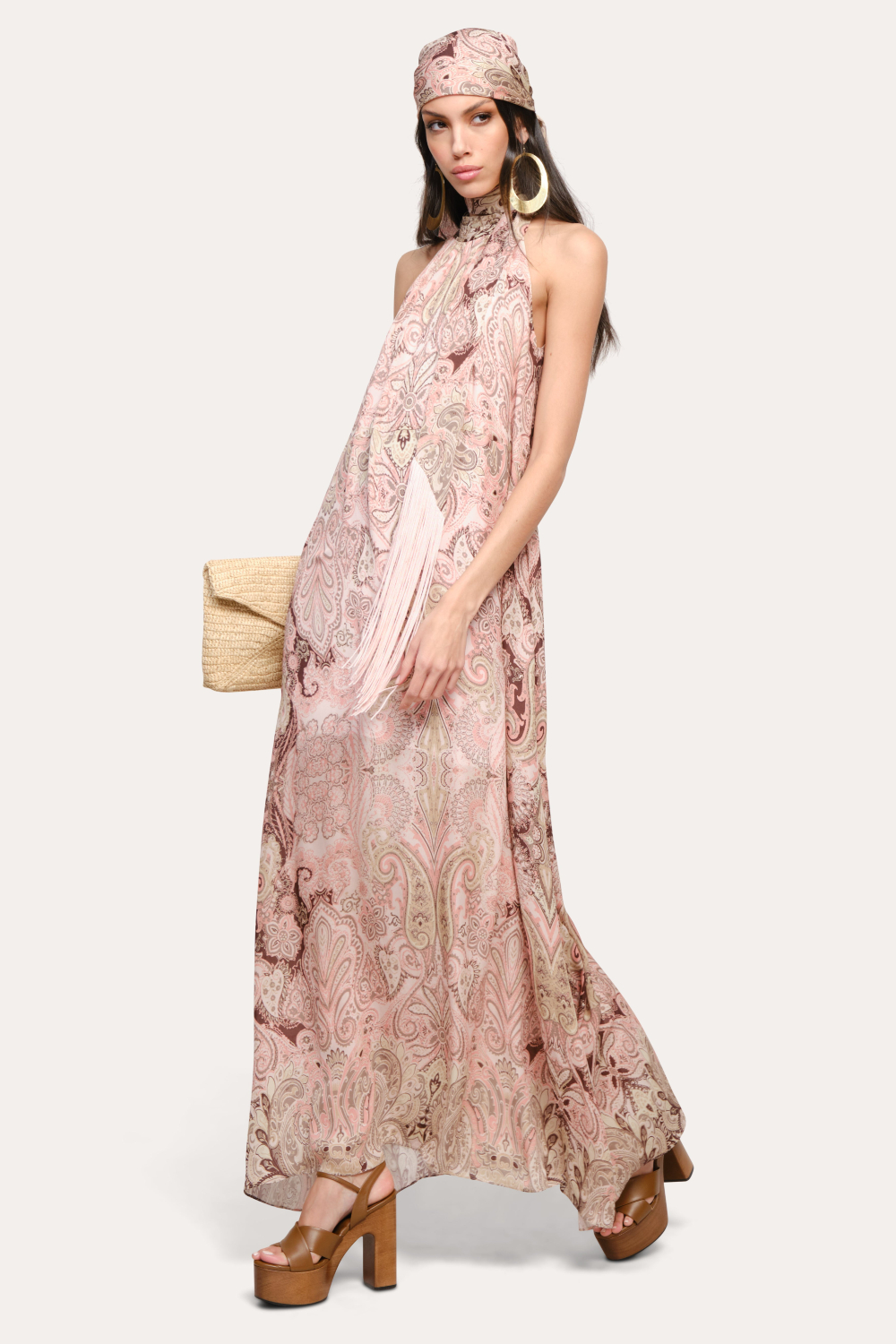
Community is central to that effort. Rather than leaning on splashy star-studded campaigns, Jeremey is building around micro-influencers and smaller, more intimate gatherings. “Micro-influencers have much more impact on the communities they engage with,” he said. “Their recommendations feel intimate and relatable. You can see yourself wearing the product because you went out with that person last week.”
He added, “When I think about who influences me, it’s usually people I know rather than a big celebrity.”
That philosophy shows up in how the brand activates offline: dinners of a dozen or so people, carefully curated conversations and experiences that feel like part of a lifestyle. It is less about manufacturing attention and more about creating proximity.
The brand is approaching retail with the same restraint. Jeremey was candid in sharing his view of traditional stores: the old model, he said, is essentially over. Whatever comes next for Elie Tahari will have to be “something more than a store.”
He did not share details, but hinted at the direction. A physical space has to achieve what a website cannot. It has to express the brand, build community and give customers a reason to show up beyond transaction.
Wholesale, meanwhile, will remain part of the business, but growth there will be thoughtful rather than indiscriminate. Jeremey wants to protect positioning while expanding reach. The DTC business gives the brand a clearer read on customer behavior, demand and product resonance.
“It’s really a fully integrated way of marketing,” he said.
Direct-to-consumer gives the brand a more direct relationship with the customer, helping protect its voice and sharpen demand signals.
Jeremey advises others navigating similar pressures to decide what kind of brand they are before deciding how big they want to be.
“Be a full-price brand — that’s not the goal for everyone,” he said. “So figure out who you are, get crystal clear on that, and then the rest follows.”
Enjoyed this article? This story is just one of the ways we bring you closer to the ideas, people, and decisions moving our industry forward. Join our community of senior executives and industry insiders — subscribe to our weekly newsletter here.
About the Author:
Jessica Binns is Director of Content at Berns & Co., where she leads editorial strategy and content programming, including the launch of a new thought leadership series profiling senior executives shaping the future of fashion, retail, and consumer goods. A journalist and editor with more than 15 years of experience covering apparel, footwear, retail, trade policy and tech, she is a contributing writer for Vogue Business and the former Managing Editor of Sourcing Journal. Her work has also appeared in WWD, Footwear News, and Retail Dive, and she has appeared on CNN This Morning with Audie Cornish to discuss the evolving fashion landscape.
