
Eye on the Corner Office: Anthropologie Sells the Dream. Candan Erenguc Runs the Machine.
The COO oversees the operational engine behind Anthropologie’s sensory, service-led retail model, where fashion, furniture, owned brands and localized stores all have to work together.
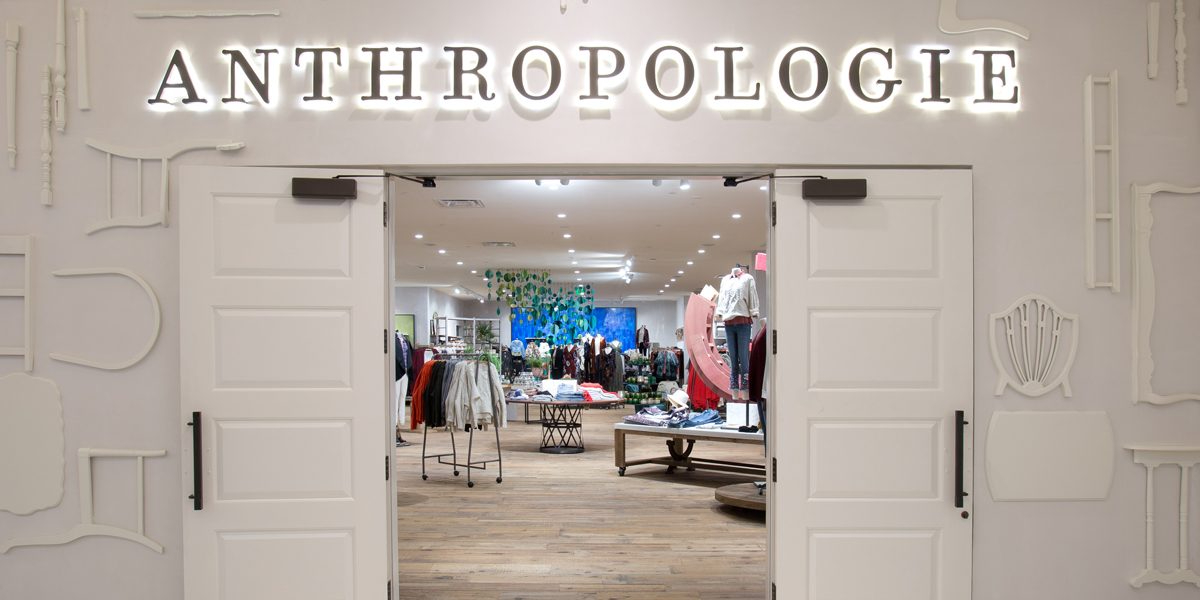
Candan Erenguc still remembers the first time she walked into an Anthropologie store. It was the late 1990s, she was interning in Michigan, and the experience stayed with her. “I actually want my house to feel like this,” she recalled thinking. “It activated all the senses.”
Decades later, Erenguc is responsible for the operational engine behind that feeling. As COO of Anthropologie Group, she oversees North America, Canada and Europe across Anthropologie, Anthropologie Home, Terrain, Maeve and the company’s growing portfolio of owned brands.
That job is more complicated than the stores make it look. Though Anthropologie might be best known for fashion, it also sells couches, candles, beauty, gifts, garden goods and a lifestyle proposition that has to feel cohesive whether a customer is shopping online, booking a styling appointment or walking into a store designed for her specific neighborhood.
That is where Erenguc’s background really kicks in. Before joining Anthropologie in 2020, she worked across Ford Motor Company, Deloitte, IBM, Away and Lululemon—a path that took her from factory floors to fashion retail. At The Lead Summit, in conversation with Business of Fashion’s Haley Crawford, she shared how the magic of Anthropologie is in making an enormous amount of complexity fade into the background.
“The way that you sell a blouse is very different from the way you sell a couch,” Erenguc said. “The way you deliver that product and get it into a customer’s hands is meaningfully different.”
That single point explains much of the business. Each category requires its own infrastructure, merchandising logic, inventory model and customer experience. What feels intuitive in store is the result of significant operational architecture running quietly behind the scenes.
Against that backdrop, Anthropologie has posted four consecutive years of positive quarterly comps and opened 16 stores in 2025, with more in the pipeline. Erenguc credits the brand’s physical footprint as central to that performance.
“Our stores are the heartbeat of our brand,” she said. “They’re really the heart that we all gather around.”
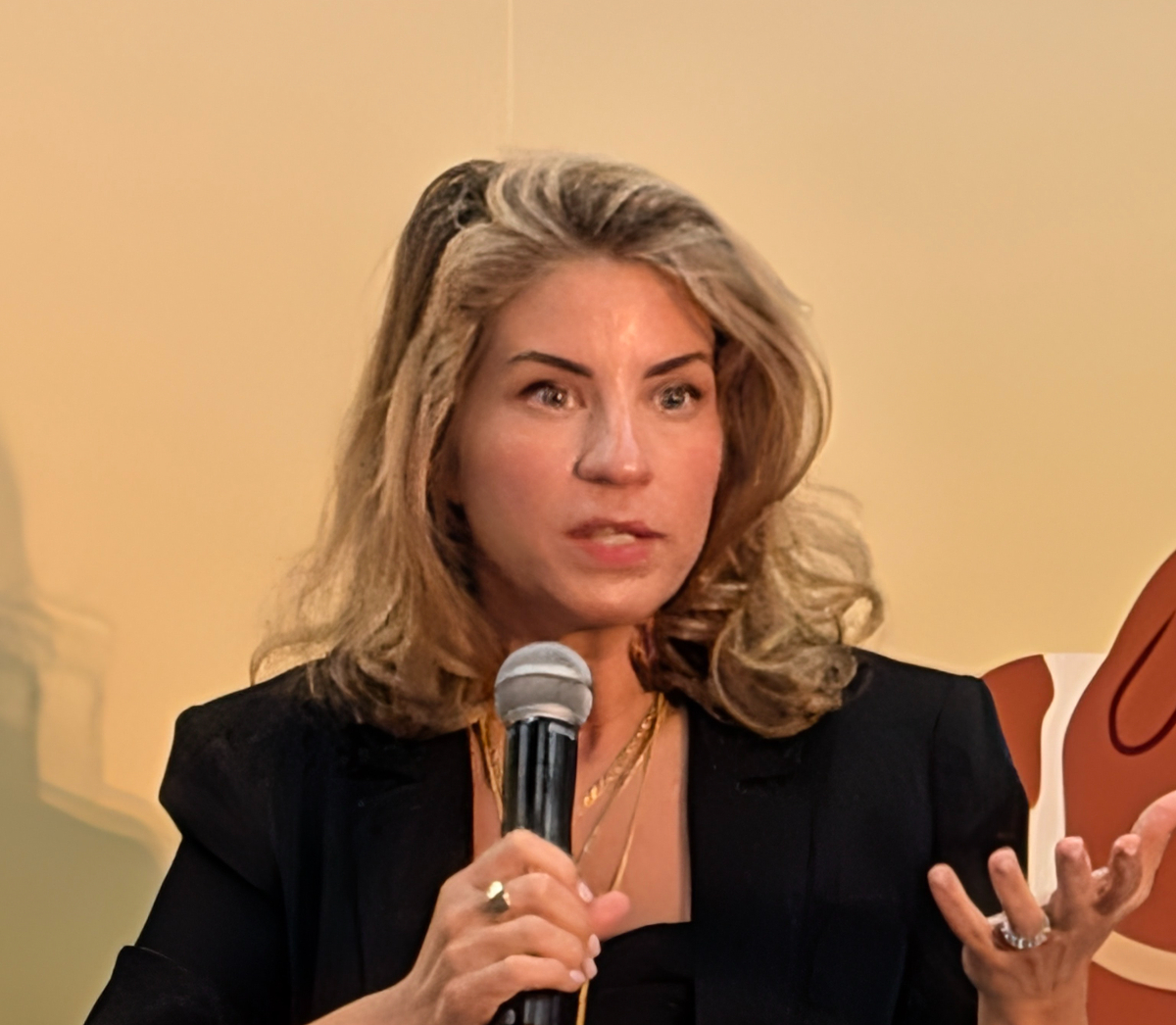
Candan Erenguc, COO of Anthropologie
For Anthropologie, stores are transaction points, but also discovery engines, service hubs and brand theaters. Erenguc said physical retail creates a halo effect on digital sales that online investment alone cannot replicate. The company’s expanding styling and concierge programs are deepening that advantage, especially as customers seek guidance on how to wear, adapt and personalize trends.
“Our customers love that human connection,” she said. “They’re not shy about telling us.”
Anthropologie’s store strategy is also deliberately local. Locations range from 5,000 to 15,000 square feet, with assortments, windows and visual merchandising tailored to the neighborhoods they serve. A seaside store may carry vacation lifestyle year-round; a colder-market store tells a different story entirely.
“We create stores for the neighborhood that they’re in,” Erenguc said.
That localization is powered by the brand’s DTC data. Before a store opens, Anthropologie already has insight into what customers in that market are buying online, allowing teams to shape assortment and experience with unusual precision.
The same customer-first logic is driving Anthropologie’s owned brand strategy. Proprietary labels, including Maeve, are growing at a double-digit pace, with Maeve recently opening its first standalone store. The appeal of private labels is they let Anthropologie respond faster to what its customer already wants, Erenguc said.
“We’re growing our own brands because they’re our customers’ favorite brands,” she said.
Looking ahead, Erenguc sees more stores, deeper localization, more owned brand expansion and continued investment in service. The goal, she said, is “to be where consumers already are.”
For a brand built on making people want to live inside its stores, that may be the clearest expression of the strategy: scale the feeling without losing the intimacy.
Enjoyed this article? This story is just one of the ways we bring you closer to the ideas, people, and decisions moving our industry forward. Join our community of senior executives and industry insiders — subscribe to our weekly newsletter here.
About the Author:
Jessica Binns is Director of Content at Berns & Co., where she leads editorial strategy and content programming, including the launch of a new thought leadership series profiling senior executives shaping the future of fashion, retail, and consumer goods. A journalist and editor with more than 15 years of experience covering apparel, footwear, retail, trade policy and tech, she is a contributing writer for Vogue Business and the former Managing Editor of Sourcing Journal. Her work has also appeared in WWD, Footwear News, and Retail Dive, and she has appeared on CNN This Morning with Audie Cornish to discuss the evolving fashion landscape.

