
Deirdre Quinn on Tariffs, the Consumer, AI—and Why Product Still Wins
From tariff uncertainty to AI caution and early signs of consumer strength, Lafayette 148 CEO Deirdre Quinn shares how she’s navigating 2026—and why product focus remains her north star.
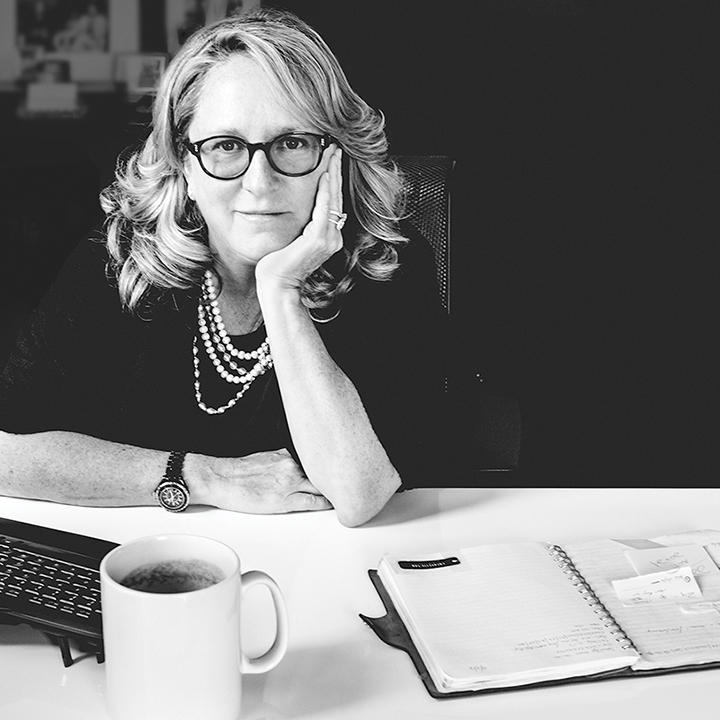
As CEO and co-founder of luxury fashion brand Lafayette 148, Deirdre Quinn has navigated decades of economic cycles, trade volatility, and shifting consumer behavior. Speaking with Jessica Binns, editorial director for Berns & Co., at the start of 2026, Quinn shared her outlook on tariffs, early-year demand, the role of AI in a luxury business, and the one constant she believes matters most.
Jessica Binns: We haven’t seen much tariff drama so far in 2026, but there’s been a lot of attention on the recent court case involving Costco and others. Are you watching that closely—and do you expect more volatility this year?
DQ: I’m an optimist by nature, so of course you can dream that things could get better—but I’m not counting on it. If anything positive comes out of it, that would be amazing. It would be icing on the cake. But I don’t run the business assuming that will happen.
When tariffs moved from 30% to 20%, I didn’t react. And if they go back up to 30% or even 40%, you just don’t know. A business needs stability, and I need stability to run it. I look at these things as moments in time. I don’t overreact.
JB: That steady approach feels especially relevant given how often things seem to change now.
DQ: Exactly. It used to feel like major shifts happened every seven years—now it’s every year. You have to go with the flow. Stay optimistic, but grounded.
JB: What did you see from the consumer over the holiday season, especially after having to raise prices due to tariffs?
DQ: It was very hard to raise prices, but we had to do it. The good news is that the consumer who truly loves our product—and can afford it—made up for those who were upset about the increase. We ended up double digits positive, which honestly was better than I planned.
That said, I don’t want to lose any customer. So we’re watching the market closely, watching what others are doing, and not taking anything for granted. You move forward thoughtfully, but always optimistically.
JB: We’re only a couple weeks into 2026—what are you seeing so far?
DQ: January is fine—low single digits, I’ll take it. But February, March, and April are the most important months. I’m very optimistic about that period. Come back to me in May and I’ll tell you how I really feel.
I also think it’s important not to compare yourself to last year. I look back two years. For those months, last year ago was complete chaos because of all the tariff volatility. So the real question is: are we better than we were in 2024?
JB: AI is everywhere at the NRF Big show. What’s your take—where does it make sense for Lafayette 148, and where is it overhyped?
DQ: I’m a follower, not a leader, when it comes to AI. I’m watching, learning, and paying attention. I love anything that can make the business smarter, more efficient, and better—but I’m also cautious.
My technology department is one of the most important teams in the company. Their role is to make sure we’re protected as a brand and not just running wild with AI. I’ll make decisions based on what’s right for our brand, not because something is trendy.
JB: Which areas are you watching most closely?
DQ: Efficiency—across every department. We already control our supply chain and own our distribution center, which gives us an advantage. So I’m looking at how AI can help us be better at what we already do.
That could be in legal, finance, operations—anywhere we can work smarter without replacing people. I use AI more than ever, but I’m extremely careful about what company information goes into it. When you’re a luxury brand, your brand is the commodity. You have to protect it.
JB: Last question: what advice would you give other retail and brand CEOs heading into this year?
DQ: Product, product, product. It has never failed me.
At the end of the day, the consumer is the smartest one in the room. She works hard for her money, and she decides where to spend it. My job is to make sure Lafayette 148 earns that decision—every single time.

