
Eye on Beauty: Coty‘s Andrea DiNunzio on Why Brands Struggle (and It’s Not What You Think)
With turnarounds at Lashify, Dermaflash and Iluminage Beauty under her belt, the Coty executive has a clear-eyed view of what actually breaks brands — and how to fix them.
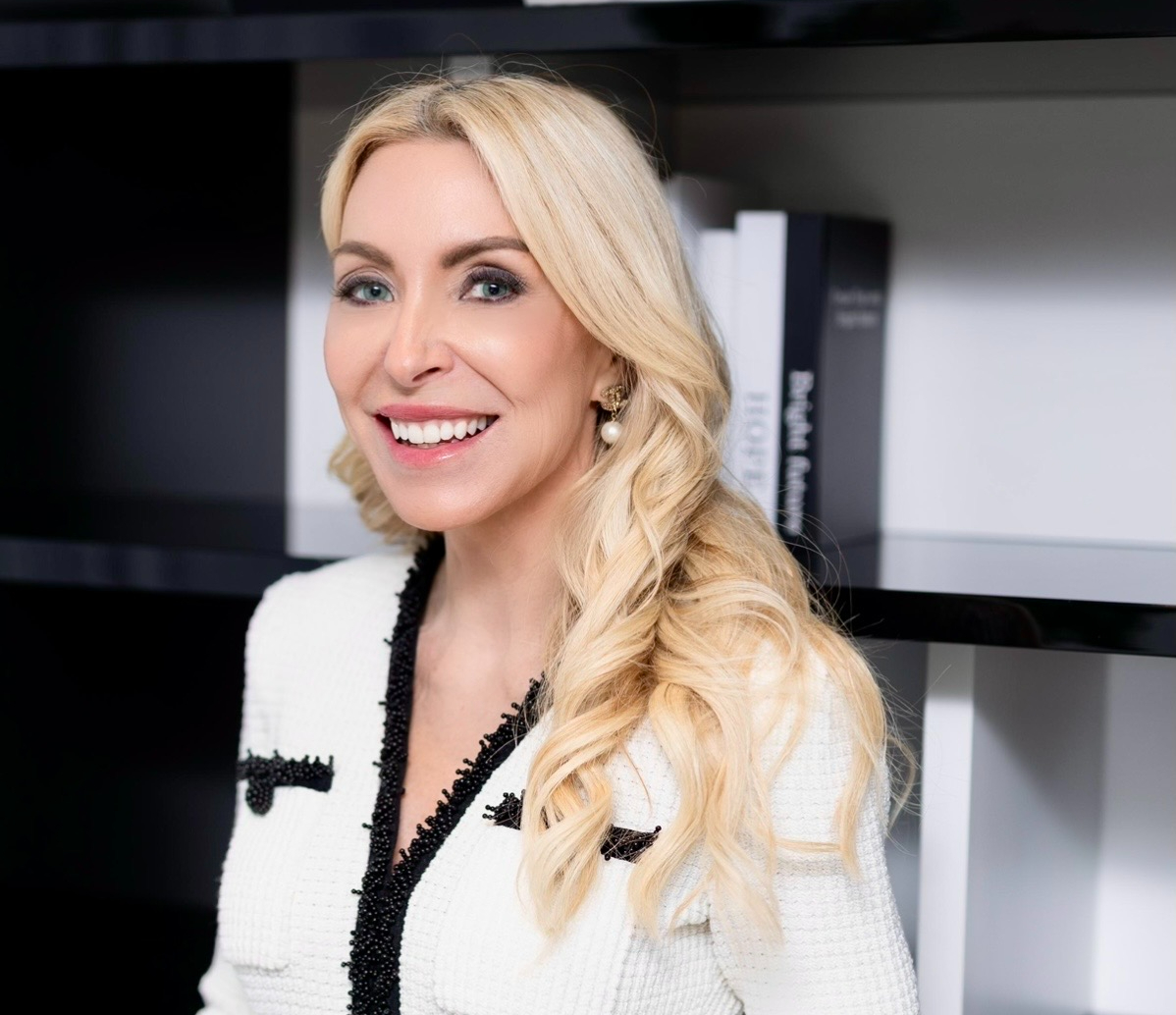
Andrea DiNunzio has a theory about why brands struggle. It’s rarely the thing everyone thinks it is.
“Often the problem appears to be growth, marketing, or distribution,” says DiNunzio, General Manager of Ultra-Luxury Skincare and Fragrance at Coty, and an expert is brand turnaround strategy. “But the real issue is that the organization hasn’t evolved with the brand itself.”
She’s stress-tested this theory across a career that has taken her through L’Oréal and Neutrogena, the turnaround trenches at Iluminage Beauty, Dermaflash and Lashify, and now to one of the most ambitious portfolios in prestige beauty. The diagnosis, she says, is almost always the same. “When brands struggle, it’s rarely about a single tactic,” she says. “It’s about alignment between the brand’s ambition and the company’s ability to support it.”
What distinguishes DiNunzio’s vantage point is how many different formats she’s operated across on the way here. DTC, mass, prestige, social, TV retail — while most executives pick a lane and stay in it, she didn’t. “Each environment teaches a different discipline,” says the ultra-luxury skincare executive. “DTC teaches customer insight and speed, mass teaches scale, prestige teaches brand equity, and social or TV teaches conversion.” The payoff for moving across all of them? Pattern recognition. “Instead of thinking about channels in isolation, you begin to build brands as ecosystems where each part strengthens the others.”
She’s seen that pattern play out in distinctly different ways, gaining a wealth of expertise in beauty industry leadership. At Lashify, where the lash extension brand had real momentum, the work was professionalizing the organization to support growing scale. At skincare device maker Dermaflash, it was cash flow and strategic focus. And at aesthetic device company Iluminage Beauty, it was portfolio clarity: selling one brand, shutting down another and refocusing on what remained. The surface problem is rarely the real one. “It’s about alignment between the brand’s ambition and the company’s ability to support it,” DiNunzio says.
At Coty, that alignment question plays out at the highest end of the market. Ultra-luxury skincare is one of beauty’s fastest-growing segments and one of its most unforgiving, serving a discerning consumer who has never been more informed or more demanding. “They understand ingredients, they compare performance, and they expect far more than beautiful packaging and a high price point,” says DiNunzio.
In a crowded field, longevity belongs to the prestige beauty brands that build genuine relationships through personalization, access to expertise and curated experiences that go beyond the transaction. “True ultra-luxury ultimately isn’t just about what you can buy, but about access to knowledge, expertise and opportunities that exist beyond the marketplace,” she says.
Nowhere is that philosophy more fully tested than at Orveda, the French biotech skincare brand co-founded by Coty CEO Sue Nabi that DiNunzio now stewards. The brand sits at a deliberately unusual intersection, where rigorous science meets high luxury. “Stewarding a brand in that space requires respecting both disciplines equally,” she says. The science, based on microbiome research and longevity innovation, has to withstand withering scrutiny from an increasingly sophisticated consumer. But science alone isn’t sufficient to create desire, she says, and that’s where branding steps in to “translate that innovation into ritual, sensoriality and service, creating a universe around the product that feels worthy of the science behind it.”
The rise of the ingredient-literate consumer is, by DiNunzio’s read, a tailwind for brands with something real to say. “Transparency, credibility and education are now part of the value proposition,” she says. “An informed consumer rewards genuine scientific depth and clarity.” The work at Orveda, for example, has been making that science feel luxurious rather than clinical, “where education isn’t purely technical, but becomes part of the elevated brand experience,” she says.
The fragrance side of DiNunzio’s portfolio is having its own moment. Younger consumers are approaching scent with an intentionality that previous generations reserved for fashion, something that can shift with mood, occasion or even community. What’s transformed the category most profoundly is the process of discovery rather than the product itself. The traditional retail counter and the splashy advertising campaign have given way to conversation, thanks to social platforms, peer recommendations and an entirely new vocabulary around scent that has emerged online. “Instead of searching for a single signature scent, consumers are building collections, layering fragrances and experimenting in ways that feel far more personal,” she says.
AI enters the conversation here too, as it does everywhere in beauty right now. DiNunzio sees genuine value in what the technology can deliver in ultra-luxury: deeper personalization, more precise diagnostics and richer consumer insights. But the guardrails matter. “Ultra-luxury ultimately depends on human connection, expertise and trust. Technology should enhance that relationship, not replace it,” she says. The opportunity, as she sees it, is using AI to make service feel more personal while keeping the human touch firmly at the center. In a category built on desire and distinction, that balance may be the most important call of all.
Enjoyed this conversation? Eye on Beauty is just one of the ways the Berns & Co. weekly newsletter brings you closer to the ideas, people, and decisions moving our industry forward. Join our community of senior executives and industry insiders — subscribe here.
About the Author:
Jessica Binns is Editorial Director at Berns & Co., where she leads editorial strategy and content programming, including the launch of a new thought leadership series profiling senior executives shaping the future of fashion, retail, and consumer goods. A journalist and editor with more than 15 years of experience covering apparel, footwear, retail, trade policy and tech, she is a contributing writer for Vogue Business and the former Managing Editor of Sourcing Journal. Her work has also appeared in WWD, Footwear News, and Retail Dive, and she has appeared on CNN This Morning with Audie Cornish to discuss the evolving fashion landscape.

