
Retailers Closed Out 2025 Strong. Now the Macro Clouds Are Rolling In.
A wave of Q4 earnings suggested the American consumer held up. But weakening jobs data, geopolitical tension and an oil shock are already reshaping the outlook. We break down who beat expectations, who stumbled and what it means for retail in 2026.
What this week’s retail earnings tell us about a rapidly darkening economic backdrop
This week was one of the biggest of the Q4 earnings season for retail, and it arrived against a backdrop that is getting harder to ignore. The more than a dozen major chains reported results told a largely consistent story: the American consumer hasn’t quit, but they’ve gotten a lot more deliberate about where their dollars go.
By Friday, that story had taken on new urgency. The economy shed 92,000 jobs in February, the third payroll decline in five months and far worse than the 50,000-job gain economists had forecast. Oil prices are surging toward $80–$85 a barrel on fears that the U.S.-Iran conflict could choke off supplies through the Strait of Hormuz. National gas prices jumped 32 cents in a single week. And GDP grew at just a 1.4% annual rate in Q4 2025.
Though retailers reported a broadly solid holiday quarter, the question now is what comes next.
The winners: value retail dominates
The clearest takeaway from this week was the strength of retailers offering perceived value, whether through off-price merchandise, warehouse savings or everyday low prices.
- Ross Stores delivered arguably the biggest beat of the week, with same-store sales surging 9% against expectations of approximately 5%. EPS of $2.00 topped both guidance and analyst estimates. Management flagged a “very strong start” to the Spring season.
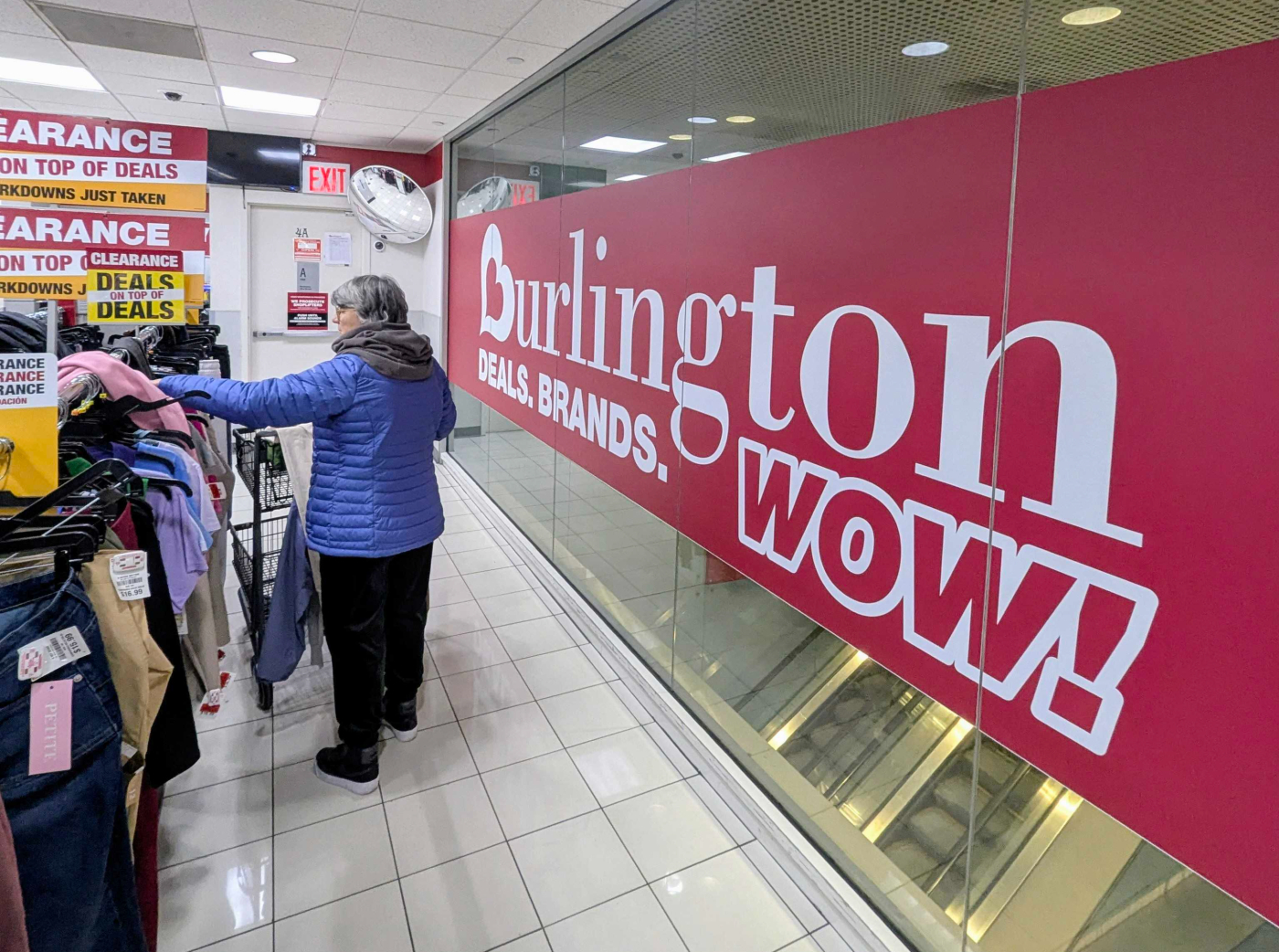
- Burlington Stores also impressed, with adjusted EPS of $4.99 versus the $4.75 estimate. Stock rose more than 5% on the results.
- Costco posted net sales up 9.1% to $68.2 billion, with membership fees climbing 14% year-over-year, a sign that shoppers are doubling down on value-driven memberships even in a cautious economy.
- AutoZone benefited from a different kind of value calculus. With the average U.S. vehicle now 13 years old, consumers are repairing rather than replacing. Net sales rose 8.1%, with commercial same-store sales up nearly 10%.
In soft goods and discretionary, brand strength separates the field
The apparel sector showed a wider range of results, with brands that had clear identity and momentum generally outperforming those still searching for footing.
- American Eagle Outfitters posted a record Q4, with revenue up 10% to $1.8 billion and total comps up 8%. The standout was Aerie and the OFFL/NE activewear line, which posted 23% comp growth. Adjusted EPS of $0.84 beat the $0.71 estimate by a wide margin. (Disclosure: AEO is a client.)
- Abercrombie & Fitch beat on EPS and revenue with record full-year sales, but cautious Q1 guidance citing tariff pressure of nearly 290 basis points sent the stock down approximately 5%.
- Gap Inc. met expectations but didn’t exceed them. Eight consecutive quarters of positive comps is a genuine turnaround milestone, and the Gap brand itself was a standout at 8% comp growth. Winter storms, Athleta’s continued decline of 11% in comps and tariff-driven margin compression gave investors little reason to cheer. Stock declined approximately 2% after hours.
- Bath & Body Works had a strong holiday quarter with EPS well above estimates, but guided 2026 sales lower as the company undergoes a broader business transformation.
- Victoria’s Secret & Co. beat estimates and issued solid guidance, yet shares fell approximately 7%. Sometimes the bar is simply higher than the print.
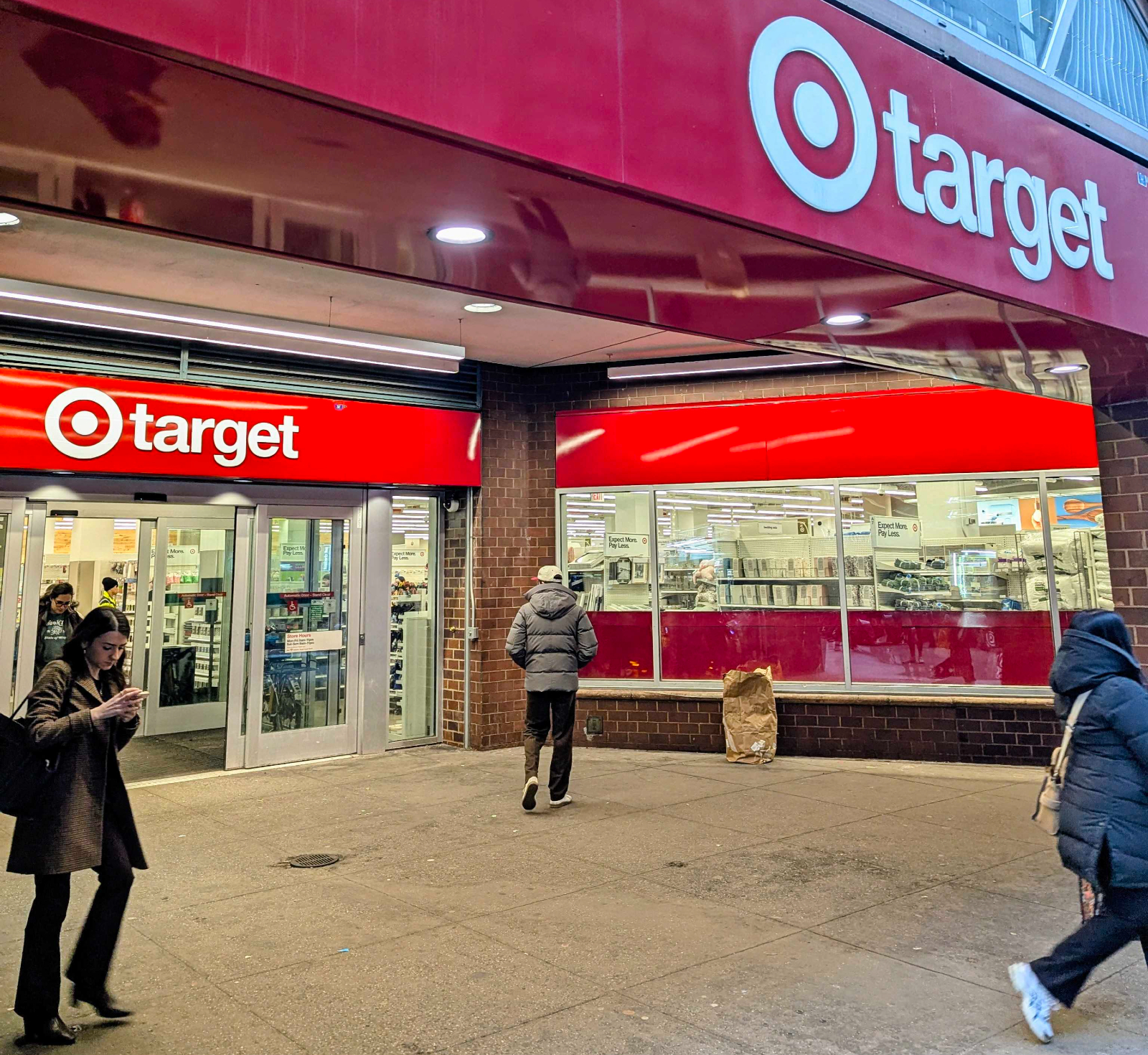
The Target store in Manhattan’s Union Square neighborhood in New York City, on March 6, 2026.
Grocery & big box: solid but watchful
- Kroger delivered better-than-expected adjusted EPS of $1.28 versus the $1.20 estimate, along with its best comparable sales performance since 2021. New CEO Greg Foran, who took the helm in February, is prioritizing the in-store experience. Investors responded warmly, with shares jumping 5.3%.
- Target had a rougher quarter, with comps declining 2.5% and net sales falling 1.5%. Management attributed part of the miss to thin in-stock levels and winter storm disruptions rather than fundamental demand weakness, and the company says it’s on track to end its sales slump.
- BJ’s Wholesale grew membership fee income by nearly 11%, but forward guidance disappointed and the stock fell more than 4% in premarket trading.
- Best Buy posted a slight comparable sales decline of 0.8% but better-than-expected profitability and held market share. In consumer electronics, that may be the best you can hope for right now.
The storm clouds gathering
The earnings were largely backward-looking, a snapshot of the holiday season. As retailers now issue guidance for the year ahead, three forces are converging that could reshape the consumer landscape quickly.
Jobs and wages. Friday’s report showed the economy lost 92,000 jobs in February, the third monthly decline in five months. The Bureau of Labor Statistics also revised December’s figure from a gain of 50,000 to a contraction of 17,000, making 2025 the first year to record five months of job losses since 2010, when the economy was still recovering from the global financial crisis. Average hourly earnings held firm at 3.8% year-over-year growth, providing some cushion. But long-term unemployment is rising, and consumer confidence surveys were already deeply pessimistic before this report landed. The labor market appears to be stuck in what Seema Shah, chief global strategist at Principal Asset Management, described as a “low-hire, low-fire equilibrium,” softening but not yet unraveling.
Energy prices and the Iran conflict. The U.S.-led strikes on Iran beginning February 28 triggered an immediate energy shock. Brent crude surged from around $70 to over $80 a barrel within days, with some analysts warning it could reach $100 or beyond if disruption to the Strait of Hormuz, through which roughly 20% of global oil supplies flow, proves prolonged. For U.S. consumers, that’s already showing up at the pump, with gas prices jumping 32 cents a gallon in a single week to roughly $3.31 and diesel up 51 cents. The Fed is caught in a difficult position. Elyse Ausenbaugh, head of investment strategy at JPMorgan Wealth Management, called it “a tricky, stagflationary mix of risks” for policymakers, with higher oil prices pushing inflation up while a softening labor market argues for cuts. CME FedWatch futures pricing puts majority odds on the first rate cut no earlier than July.
Tariffs as a lingering tax. Even before the Iran conflict added energy costs to the mix, virtually every retailer that reported this week cited tariffs in their guidance. Gap absorbed a 200 basis point gross margin hit in Q4. Abercrombie built a 15% global tariff rate into its full-year plan. American Eagle absorbed approximately $50 million in net tariff pressure in the quarter alone. Tariff costs are structural, and they will play out across every earnings cycle in 2026.
On deck: earnings to watch next week
Two closely watched retailers report next week, and foot traffic data from Placer.ai offers an early read on what to expect.
Kohl’s reports Tuesday, March 10, and the traffic picture heading into the print is mixed. Overall visits fell 5% year over year in Q4, with foot traffic rising 2.1% in October before turning negative, declining 1.6% in November and 6.9% in December. That year-end deterioration will be hard to ignore.
Dick’s Sporting Goods reports Thursday, March 12, and its traffic trend tells a similar story with a somewhat softer drop. Visits rose 1.9% year over year in October, were essentially flat in November, then fell 5.7% in December. Given the broader strength in athletic and outdoor retail this season, investors will be watching closely to see whether that December softness was weather-driven or something more.
The bottom line
The retail results this week confirmed that American consumers ended 2025 in decent shape, spending carefully, gravitating toward value and rewarding brands with clear identity and strong execution. But the environment they’re walking into in 2026 is materially more uncertain than the one they left behind. A weakening job market, an energy shock with no clear resolution and the ongoing drag of tariffs create a challenging backdrop for both retailers and the consumers they serve.
The question for retailers isn’t whether the consumer is resilient. This week’s results showed they largely are. The question is how much more they can absorb, and that’s one nobody can answer yet.
This article reflects reporting and analysis as of March 6, 2026. American Eagle Outfitters, Inc. is a client of Berns & Co. All other brands are covered independently.
Jessica Binns is Editorial Director at Berns & Co. A journalist and editor with more than 15 years of experience covering apparel, footwear, retail, trade policy and tech, she is a contributing writer for Vogue Business and the former Managing Editor of Sourcing Journal. Her work has also been published in WWD, Footwear News, and Retail Dive, and she has appeared on CNN This Morning with Audie Cornish to discuss the evolving fashion landscape.
 Berns & Co.