
Eye on the Corner Office: Ricardo LaJoie of Vans on Why Brands Don’t Create Cool
The VF Corp. skate brand’s global chief merchant gets real about culture, craft and the business of staying iconic.
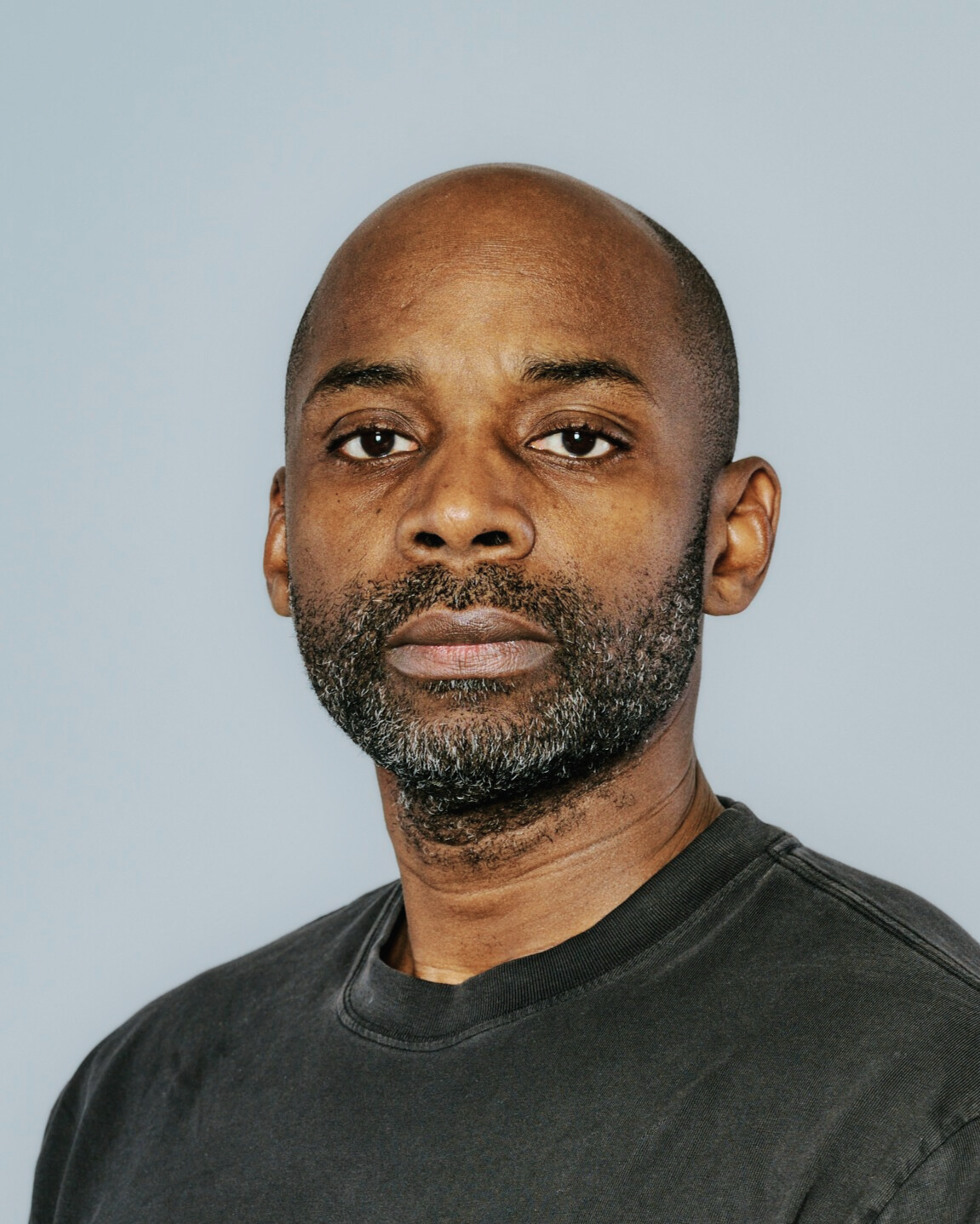
With VF Corporation’s restructuring as backdrop, Vans’ Global Chief Merchant Ricardo LaJoie is navigating one of retail’s most compelling repositioning stories. His thesis: protect the niche, grow the mass. And whatever you do, don’t confuse authoring culture with chasing it.
LaJoie spent five-plus years at Foot Locker building global product creation strategies around the best brands in the market. Now he is one of those brands. The shift, he says, is fundamental. “Retail teaches you to read the market in real time. You’re seeing multiple brands, multiple price tiers, and how consumers actually vote with their wallets week to week. That sharpens your instinct for demand.” On the brand side, the job description changes. “You’re not just reacting to culture, you’re helping create it,” he says. “The vantage point shifts from curating the market to authoring it. That’s a very different responsibility.”
At Vans, that responsibility comes loaded with history. The brand was born from creativity and self-expression adopted by California youth — skaters, surfers and BMX riders — and LaJoie is unambiguous about what that origin demands of him. “Our responsibility is to make sure the brand always stays credible with the communities that built it, particularly skate,” he says. “If you lose that, you eventually lose everything else.” It’s a counterintuitive proposition in a market that rewards scale: protect the niche to grow the mass. But LaJoie sees no contradiction. “When the product and the storytelling are real, the culture travels,” he says. “What begins in a skate park can resonate with anyone who simply connects with the attitude of the brand.”
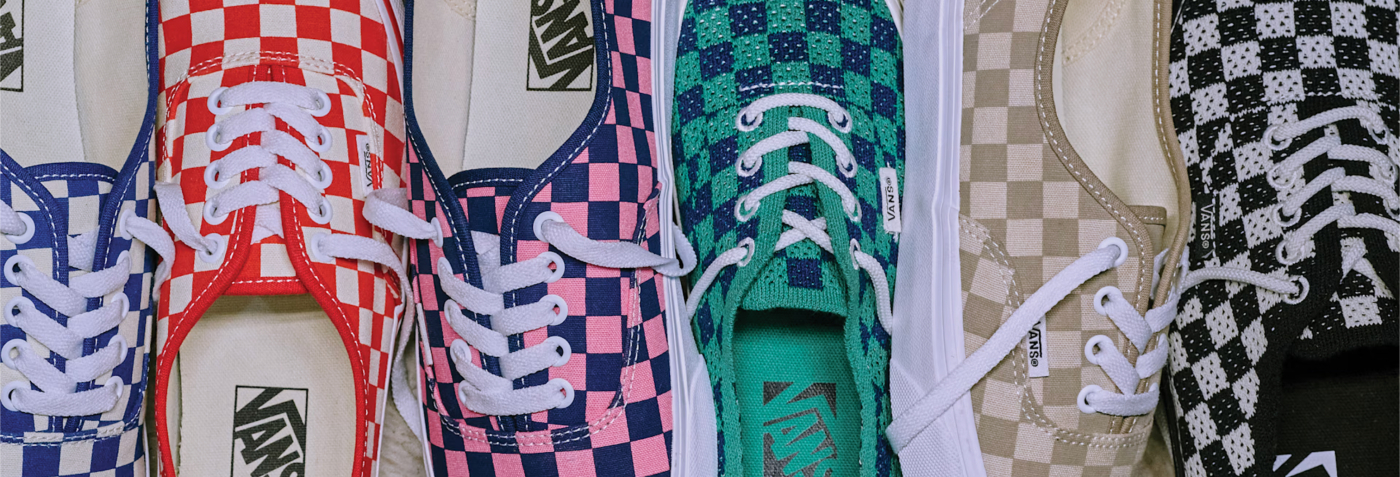
That attitude lives in Vans’ iconic silhouette library — the Old Skool, the Sk8-Hi and the Slip-On — a portfolio that is simultaneously the brand’s greatest commercial asset and its most delicate stewardship challenge. LaJoie’s approach is deliberate. “The job is to protect the icons and keep them in motion,” he says. Material updates, comfort innovation, new color stories, collaborations that reframe them for a new generation. “But at the same time, great brands are always working on the next icon.”
On cool — that most intangible and most contested of brand currencies — LaJoie is unequivocal. “Brands don’t create cool, culture does,” he says. “It’s born in real communities, where creativity is happening organically.” The merchant’s job is to stay close enough to those signals to translate them into product. “When the design, the function and the story are aligned with what’s happening in culture, that’s when something feels truly relevant.”
Which brings him to AI, the conversation reshaping every function in retail in 2026. LaJoie is neither dismissive nor evangelical. “AI is an incredibly powerful tool. It can process complexity at a scale no human can,” he says. But the limits matter as much as the capabilities. “Merchandising is still fundamentally a taste business. The best merchants will use AI as an amplifier for judgment, not a replacement for it.”
It’s a view shaped by a career that has moved through department stores, specialty retail and global product creation before arriving at the brand side. Each format, LaJoie says, taught him something different about the consumer. “Retail teaches you how people buy,” he says, “but being inside a brand teaches you why they buy.”
At Vans, it’s the why that drives everything. And it’s the question LaJoie has spent his entire career learning how to answer.
Enjoyed this conversation? Eye on the Corner Office is just one of the ways the Berns & Co. weekly newsletter brings you closer to the ideas, people, and decisions moving our industry forward. Join our community of senior executives and industry insiders — subscribe here.
About the Author:
Jessica Binns is Editorial Director at Berns & Co., where she leads editorial strategy and content programming, including the launch of a new thought leadership series profiling senior executives shaping the future of fashion, retail, and consumer goods. A journalist and editor with more than 15 years of experience covering apparel, footwear, retail, trade policy and tech, she is a contributing writer for Vogue Business and the former Managing Editor of Sourcing Journal. Her work has also appeared in WWD, Footwear News, and Retail Dive, and she has appeared on CNN This Morning with Audie Cornish to discuss the evolving fashion landscape.

